Journal library
Furniture sourcing guide
Architectural Modern vs Mid-Century Modern: What Project Buyers Should Know
Architectural modern vs mid-century modern furniture — what the styles mean for hotels, offices and residential projects, and how to spec a cohesive space.
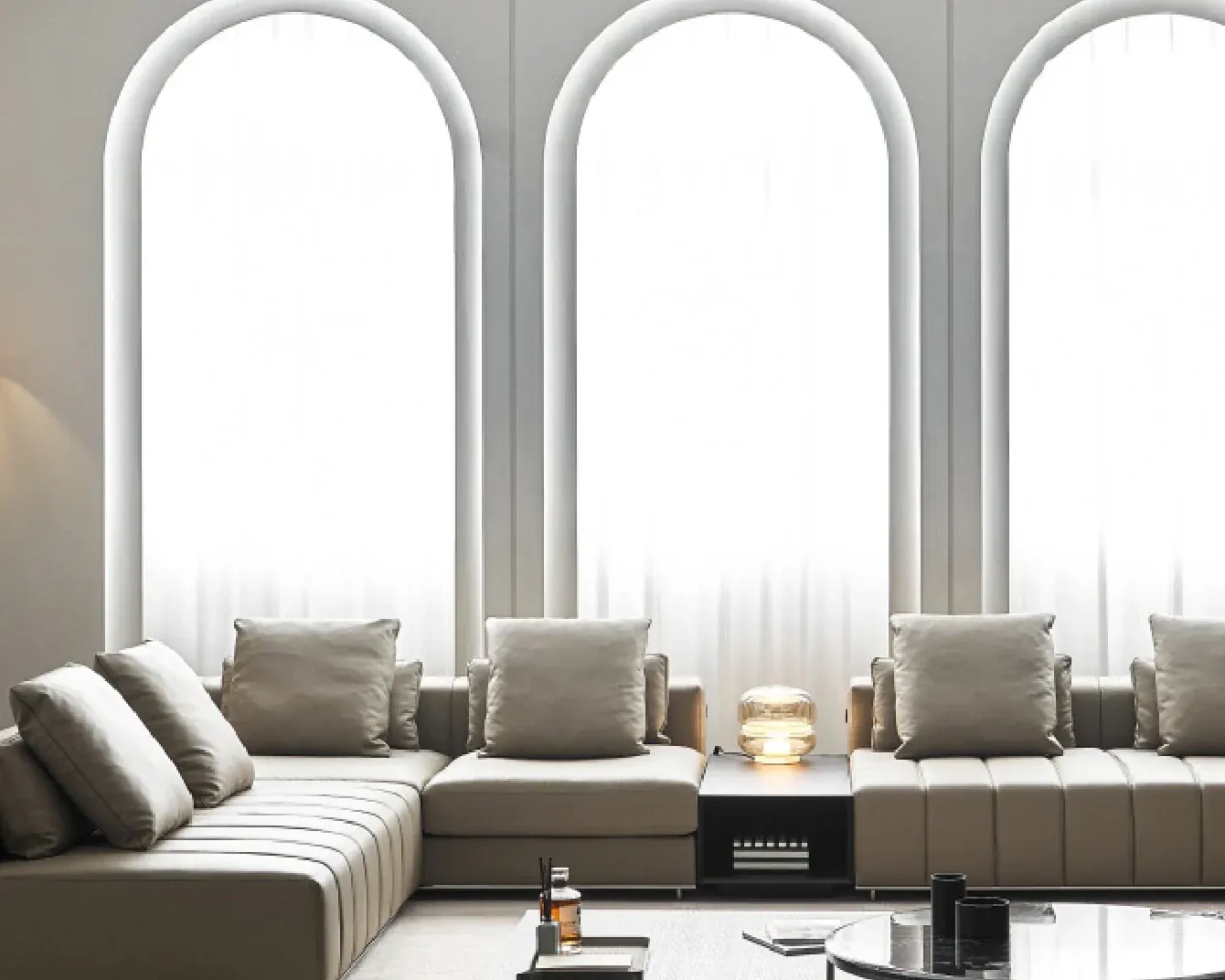
Two styles dominate contemporary furniture specification, and they are easy to confuse. This guide explains the difference between architectural modern and mid-century modern furniture, and how to choose one language for a hotel, office or residential project.
1. What defines architectural modern furniture
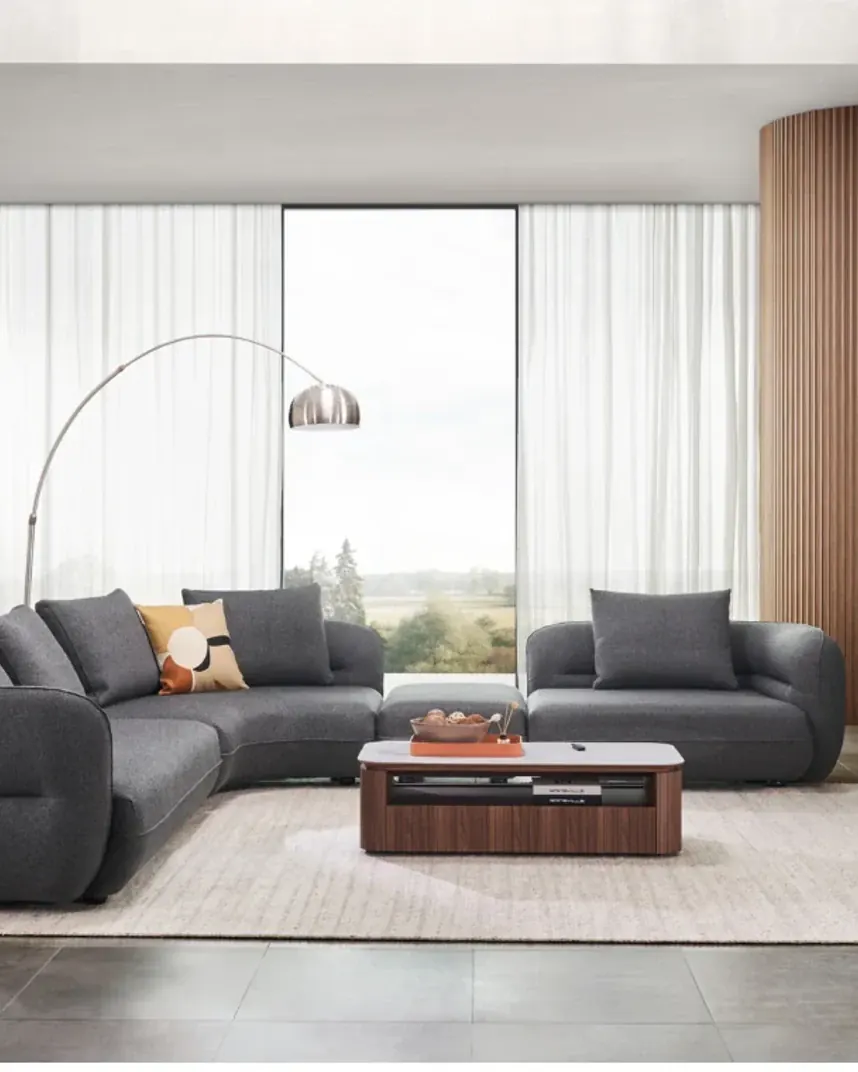
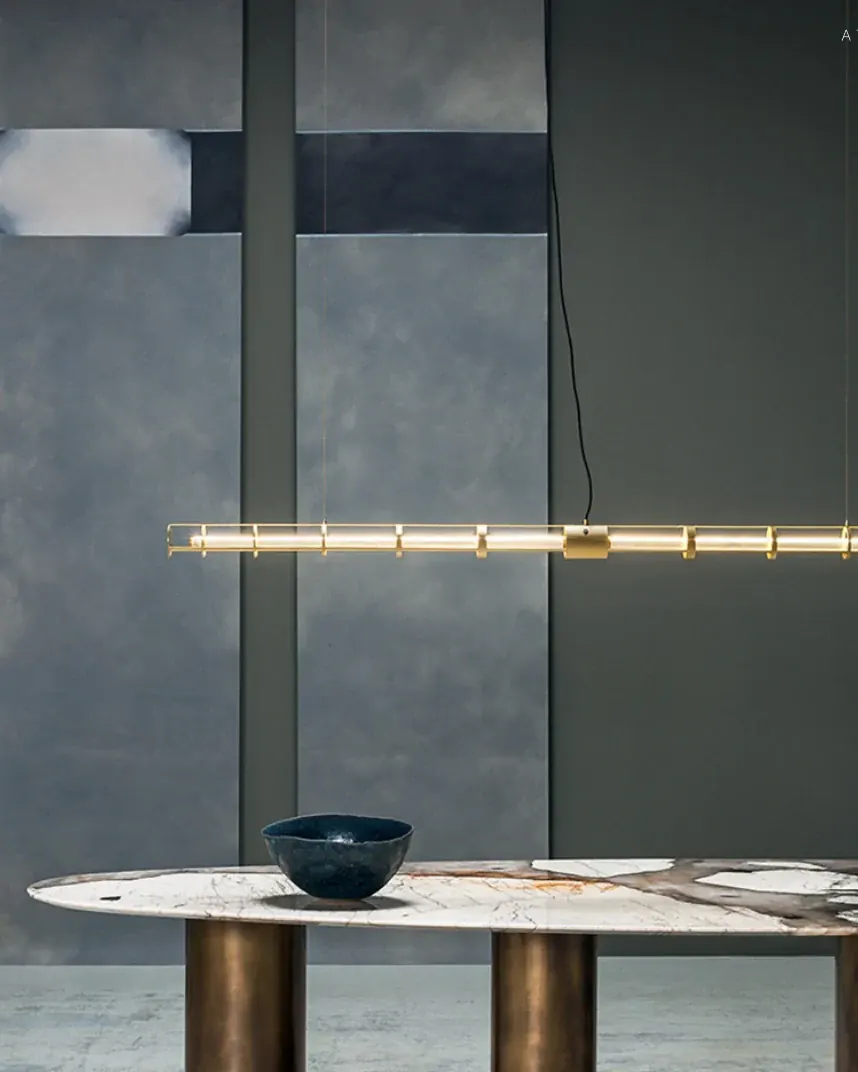
Architectural modern furniture is designed as part of a space, not placed into it. Pieces are low, linear and understated, with materials doing the visual work: solid wood, stone, bronze and performance upholstery. The silhouette reads clean from every angle, which is why the style suits lobbies, showrooms and projects where furniture must hold a consistent visual language.
2. Mid-century modern: the reference points
Mid-century modern references a specific 1950s-60s design era — tapered legs, organic curves, walnut and bold accent colors. It is warm and sculptural, but it is a period style with strong recognizable cues. When a project brief asks for "modern," a mid-century piece can clash with an otherwise minimalist interior.
3. Why the distinction matters for projects
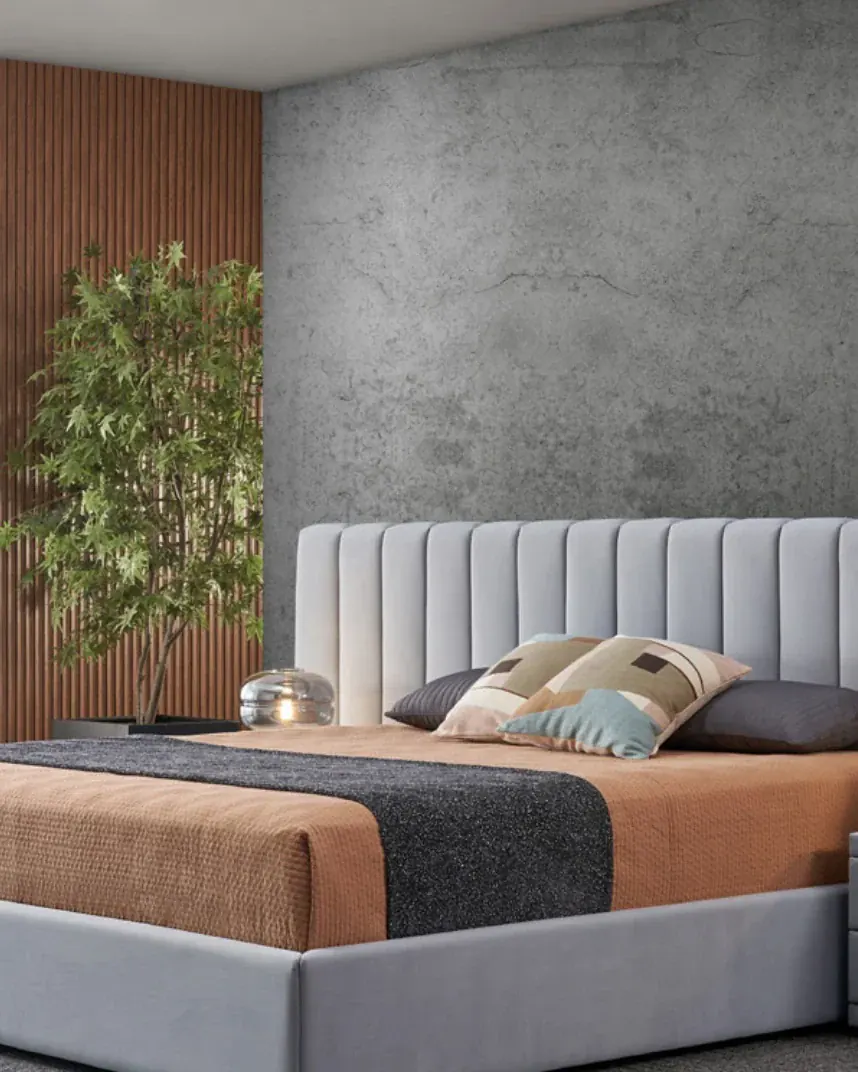
In hospitality and commercial work, consistency is the goal. Mixing architectural modern sofas with mid-century side tables rarely reads as intentional. Deciding the language up front — and keeping it across sofas , coffee tables and beds — is what makes a space feel designed rather than furnished.
4. Materials and finishes to look for
Architectural modern collections typically publish exact dimensions and material references for every piece. That matters for space planning and for repeat orders. Request the material codes before you shortlist, and confirm that finishes can be repeated across the room program.
5. Sourcing for retailers and designers
If you supply furniture for projects, work with a manufacturer whose range shares one material language — living, dining and bedroom pieces that can be specified together without losing the thread. Trade pricing, MOQ and customization are confirmed per inquiry.
Related Reading
Building an architectural modern space? Request wholesale pricing and the material references for the full collection.
Written by the MAVORA Trade Team
Furniture sourcing specialists supporting retailers, interior designers and project buyers with trade pricing, customization and logistics.
MOQ, Lead Time and Shipping: How B2B Furniture Sourcing Works
What to Look for in Hospitality Furniture Suppliers for Hotel Projects
How to Choose a Sofa Manufacturer for Your Retail Store
Back to all sourcing guidesطلب عرض
Apply the guide to your next furniture order
Share a shortlist and the commercial context that matters: quantities, destination, specification, and timing.